By create_admin
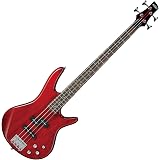
Ibanez Gio GSR200TR Bass Guitar - Transparent Red
(as of October 27, 2026 05:31 GMT +00:00 - More infoProduct prices and availability are accurate as of the date/time indicated and are subject to change. Any price and availability information displayed on [relevant Amazon Site(s), as applicable] at the time of purchase will apply to the purchase of this product.)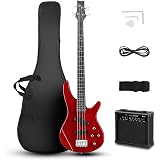
Ktaxon Electric Bass Guitar 4 String Bass Guitar Kit-Red | Full Equipment with 20 Watt Amplifier | PJ Type Pickup, Naturally Air-dried Maple Neck, Rosewood Fretboard & Basswood Body
$109.99 (as of October 27, 2026 05:31 GMT +00:00 - More infoProduct prices and availability are accurate as of the date/time indicated and are subject to change. Any price and availability information displayed on [relevant Amazon Site(s), as applicable] at the time of purchase will apply to the purchase of this product.)
Fender Squier Debut Stratocaster Beginner Electric Guitar Kit, Black | Starter pack with Frontman 10G amp, padded gig bag, guitar strap, free lessons, 2-year warranty
$279.99 (as of October 27, 2026 05:31 GMT +00:00 - More infoProduct prices and availability are accurate as of the date/time indicated and are subject to change. Any price and availability information displayed on [relevant Amazon Site(s), as applicable] at the time of purchase will apply to the purchase of this product.)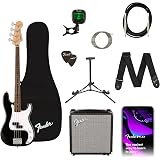
Fender Squier Debut Series Beginner Precision Bass Guitar Kit w/Amp, Black | Includes Rumble 15 amp, padded gig bag, cable, bass guitar starter kit, 2-year warranty, everything included
$299.99 (as of October 27, 2026 05:31 GMT +00:00 - More infoProduct prices and availability are accurate as of the date/time indicated and are subject to change. Any price and availability information displayed on [relevant Amazon Site(s), as applicable] at the time of purchase will apply to the purchase of this product.)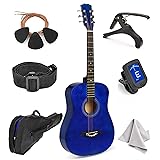
Acoustic Guitar For Kids By MasterPlay- 30” Beginner Guitar For Learners- Accoustic String Starter Kit: Guitar Bag, Tuner, Strap, Extra Strings, Picks, Wash Cloth, Capo (Blua)
$53.99 (as of October 27, 2026 05:31 GMT +00:00 - More infoProduct prices and availability are accurate as of the date/time indicated and are subject to change. Any price and availability information displayed on [relevant Amazon Site(s), as applicable] at the time of purchase will apply to the purchase of this product.)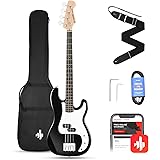
Donner Electric Bass 4 Strings Full-Size Guitar Kit PB-Style (Black) | Standard Bass Beginner Kit for Starter with Free Online Lesson Gig Bag Guitar Strap and Guitar Cable, DPB-510
$159.99 (as of October 27, 2026 05:31 GMT +00:00 - More infoProduct prices and availability are accurate as of the date/time indicated and are subject to change. Any price and availability information displayed on [relevant Amazon Site(s), as applicable] at the time of purchase will apply to the purchase of this product.)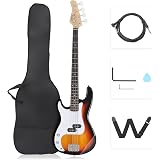
GLARRY Left Hand Full Size Electric Bass Guitar for Beginner 4 String with Cable, Strap, Bag and Accessories (Sunset)
$104.99 (as of October 27, 2026 05:31 GMT +00:00 - More infoProduct prices and availability are accurate as of the date/time indicated and are subject to change. Any price and availability information displayed on [relevant Amazon Site(s), as applicable] at the time of purchase will apply to the purchase of this product.)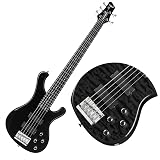
Bullstar Electric Bass Guitar 5 Strings Full-Size Standard Solid Wood Electric Bass, Ripple Elm Wood Body, Flowing Water Wave Design, Each Guitar Has Unique Grain, A True Piece of Art DB120 (Black)
$199.90 (as of October 27, 2026 05:31 GMT +00:00 - More infoProduct prices and availability are accurate as of the date/time indicated and are subject to change. Any price and availability information displayed on [relevant Amazon Site(s), as applicable] at the time of purchase will apply to the purchase of this product.)Classical guitars offer a warm, mellow voice that fits classical repertoire, Latin music, bossa nova, solo fingerstyle, and even soft singer-songwriter arrangements. They’re also comfortable for beginners because nylon strings have lower tension and feel gentle on the fingers. Even so, there are important differences between models that determine playability and tone. Understanding these details helps you choose an instrument that suits your goals, skill level, and musical style.
What Makes Classical Guitars Unique
1. Nylon Strings
Classical guitars use nylon strings instead of steel. They vibrate differently and create:
- A softer, warmer sound
- Lower tension (easier on fingers)
- A smooth feel for fingerstyle technique
This is why many teachers recommend classical guitars for beginners or younger students.
2. Wide Neck and Flat Fingerboard
The neck is wider than on a steel-string or electric guitar. This gives each finger more room and helps you play complex fingerstyle patterns cleanly. The fingerboard is also flat, which favors classical technique and accuracy.
3. Body and Bracing
Classical guitars traditionally use lighter bracing. This allows the top to vibrate freely and creates their signature resonance. Cedar and spruce are the two most common top woods.
Choosing a Classical Guitar
Top Woods
The top wood shapes tone more than any other part of the guitar.
- Cedar – warm, immediate, and expressive; great for fingerstyle.
- Spruce – bright, articulate, and clear; ages well and gains complexity over time.
A solid top is ideal because it offers better tone and improves as it matures.
Scale Length
Most classical guitars use a standard 650 mm scale. Players with smaller hands may prefer a shorter 630 mm scale because it reduces finger stretch.
Build Level
Manufacturers make classical guitars in three ranges:
- Student models – affordable, comfortable, durable.
- Intermediate models – better materials, improved projection.
- Concert-level models – rich tone, strong projection, top craftsmanship.
The best choice depends on whether you’re learning for fun or studying seriously.
Recommended Classical Guitars
Best for Beginners: Yamaha C40
A favorite among teachers because it stays in tune, feels comfortable, and offers great value. Its warm tone helps beginners enjoy practice.
Best for Advancing Players: Cordoba C5
The solid cedar top adds depth and resonance. The neck is smooth, and the build quality is excellent for the price.
Best Professional Choice: Cordoba C12
A concert-level guitar with lattice bracing, a solid top, and top-tier craftsmanship. It delivers strong projection and expressive nuance.
Helpful Accessories
Even classical players benefit from a few essentials:
- Footstool or ergonomic guitar support
- Hard case (preferable to gig bags)
- Nylon strings (normal or high tension)
- String winder
- Humidifier (important for cedar tops)
These items make practice more comfortable and help protect the instrument.
Why Choose a Classical Guitar?
A classical guitar rewards a light touch and expressive playing. It’s ideal for solo performance, fingerstyle musicians, and beginners wanting a gentler introduction to guitar. With simple maintenance and a timeless sound, a nylon-string guitar remains one of the most expressive acoustic instruments available.
Fender Squier Debut Series Beginner Precision Bass Guitar Kit w/Amp, Black | Includes Rumble 15 amp, padded gig bag, cable, bass guitar starter kit, 2-year warranty, everything included
$299.99 (as of October 27, 2026 05:31 GMT +00:00 - More infoProduct prices and availability are accurate as of the date/time indicated and are subject to change. Any price and availability information displayed on [relevant Amazon Site(s), as applicable] at the time of purchase will apply to the purchase of this product.)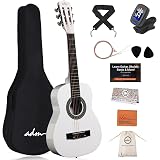
ADM Beginner Acoustic Classical Guitar Nylon Strings Wooden Guitar Bundle Kit for Kid Boy Girl Student Youth Guitarra Online Lessons with Gig Bag, Strap, Tuner, Picks (30 Inch, White)
$68.99 (as of October 27, 2026 05:31 GMT +00:00 - More infoProduct prices and availability are accurate as of the date/time indicated and are subject to change. Any price and availability information displayed on [relevant Amazon Site(s), as applicable] at the time of purchase will apply to the purchase of this product.)
Ashthorpe 38-inch Beginner Acoustic Guitar (Black), Starter Kit with Gig Bag, Extra Strings, Strap, Picks, and Lessons
$62.99 (as of October 27, 2026 05:31 GMT +00:00 - More infoProduct prices and availability are accurate as of the date/time indicated and are subject to change. Any price and availability information displayed on [relevant Amazon Site(s), as applicable] at the time of purchase will apply to the purchase of this product.)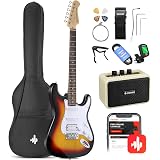
Donner DST-100S 39 Inch Full Size Electric Guitar Kit | Solid Body Sunburst, Beginner Starter, with Amplifier, Bag, Capo, Strap, String, Tuner, Cable, Picks
$169.99 (as of October 27, 2026 05:31 GMT +00:00 - More infoProduct prices and availability are accurate as of the date/time indicated and are subject to change. Any price and availability information displayed on [relevant Amazon Site(s), as applicable] at the time of purchase will apply to the purchase of this product.)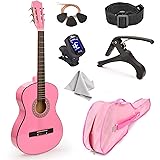
MasterPlay Kids Guitar, 30” Beginner Classical Wood Guitar For Learners, With starter kit, Bag, Strap, Tuner, Pick, Extra String, Cleaning cloth, Christmas, Birthday Gift for Girls Ages 5-12, Pink
$53.99 (as of October 27, 2026 05:31 GMT +00:00 - More infoProduct prices and availability are accurate as of the date/time indicated and are subject to change. Any price and availability information displayed on [relevant Amazon Site(s), as applicable] at the time of purchase will apply to the purchase of this product.)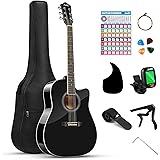
Moukey 41" Acoustic Guitar for Beginners Adult Teen Full Size Guitarra Acustica with Chord Poster, Gig Bag, Tuner,Steel Strings, Capo, Strap - Black
$129.99 (as of October 27, 2026 05:31 GMT +00:00 - More infoProduct prices and availability are accurate as of the date/time indicated and are subject to change. Any price and availability information displayed on [relevant Amazon Site(s), as applicable] at the time of purchase will apply to the purchase of this product.)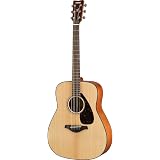
YAMAHA FG800 Solid Top Acoustic Guitar,Natural,Guitar Only
$279.99 (as of October 27, 2026 05:31 GMT +00:00 - More infoProduct prices and availability are accurate as of the date/time indicated and are subject to change. Any price and availability information displayed on [relevant Amazon Site(s), as applicable] at the time of purchase will apply to the purchase of this product.)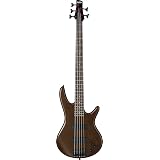
Ibanez GSR205BWNF GIO - Walnut Flat
$249.99 (as of October 27, 2026 05:31 GMT +00:00 - More infoProduct prices and availability are accurate as of the date/time indicated and are subject to change. Any price and availability information displayed on [relevant Amazon Site(s), as applicable] at the time of purchase will apply to the purchase of this product.)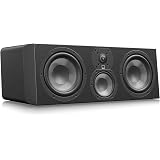
SVS Ultra Evolution 3-Way Center Channel Speaker - Each (Black Oak)
$799.00 (as of October 27, 2026 16:57 GMT +00:00 - More infoProduct prices and availability are accurate as of the date/time indicated and are subject to change. Any price and availability information displayed on [relevant Amazon Site(s), as applicable] at the time of purchase will apply to the purchase of this product.)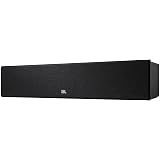
JBL Stage 2 245C 2 Way Quad 4.5 Inch Center Channel Loudspeaker (Black Ash)
$439.95 (as of October 27, 2026 16:57 GMT +00:00 - More infoProduct prices and availability are accurate as of the date/time indicated and are subject to change. Any price and availability information displayed on [relevant Amazon Site(s), as applicable] at the time of purchase will apply to the purchase of this product.)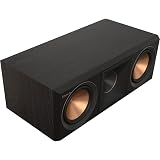
Klipsch RP-500C II Reference Premiere Center Channel Speaker (Ebony)
$329.99 (as of October 27, 2026 16:57 GMT +00:00 - More infoProduct prices and availability are accurate as of the date/time indicated and are subject to change. Any price and availability information displayed on [relevant Amazon Site(s), as applicable] at the time of purchase will apply to the purchase of this product.)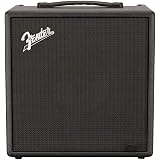
Fender Rumble LT25 Bass Amplifier, Black, with 2-Year Warranty | Practice bass amp, 25 watts, built-in amp models and effects, beginner-friendly, home practice, 2-year warranty
$249.99 (as of October 27, 2026 16:57 GMT +00:00 - More infoProduct prices and availability are accurate as of the date/time indicated and are subject to change. Any price and availability information displayed on [relevant Amazon Site(s), as applicable] at the time of purchase will apply to the purchase of this product.)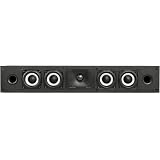
Polk Monitor XT35 Slim Center Channel Speaker - Hi-Res Audio Certified, Dolby Atmos & DTS:X Compatible, 1" Terylene Tweeter & Four 3" Dynamically Balanced Woofers, Wall-Mountable, Midnight Black
$265.00 (as of October 27, 2026 16:57 GMT +00:00 - More infoProduct prices and availability are accurate as of the date/time indicated and are subject to change. Any price and availability information displayed on [relevant Amazon Site(s), as applicable] at the time of purchase will apply to the purchase of this product.)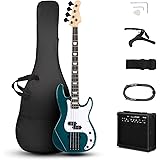
Ktaxon 4 String Electric Bass Guitar, Full-Size Right-Handed Beginner Kit | Solid Wood Body & Fantastic Hand Feeling | Includes 20W Amp, Cable, Strap, Pick and Wrench (Lake Blue)
$89.99 (as of October 27, 2026 16:57 GMT +00:00 - More infoProduct prices and availability are accurate as of the date/time indicated and are subject to change. Any price and availability information displayed on [relevant Amazon Site(s), as applicable] at the time of purchase will apply to the purchase of this product.)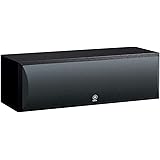
YAMAHA Audio NS-C210BL Center Channel Speaker - Each (Black)
$139.95 (as of October 27, 2026 16:57 GMT +00:00 - More infoProduct prices and availability are accurate as of the date/time indicated and are subject to change. Any price and availability information displayed on [relevant Amazon Site(s), as applicable] at the time of purchase will apply to the purchase of this product.)