By create_admin
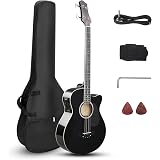
Ktaxon 4 String Acoustic Bass Guitar, Full Size Bass Guitar Kit, Black | Portable Guitar Bag, Premium Cable, Wrench, Strap, Plectrum
$79.99 (as of October 27, 2026 05:31 GMT +00:00 - More infoProduct prices and availability are accurate as of the date/time indicated and are subject to change. Any price and availability information displayed on [relevant Amazon Site(s), as applicable] at the time of purchase will apply to the purchase of this product.)
Ktaxon 4 String Electric Bass Guitar, Full Size Bass Guitar Kit(Lake Blue) | Standard Right-Handed Bass Guitar Beginner Kit with Cable and Wrench Tool for Beginners
$59.99 (as of October 27, 2026 05:31 GMT +00:00 - More infoProduct prices and availability are accurate as of the date/time indicated and are subject to change. Any price and availability information displayed on [relevant Amazon Site(s), as applicable] at the time of purchase will apply to the purchase of this product.)
GLARRY Full Size Electric Guitar for Music Lover Beginner with 20W Amp and Accessories Pack Guitar Bag (DARK BLUE, 39" Right Handed)
$114.99 (as of October 27, 2026 05:31 GMT +00:00 - More infoProduct prices and availability are accurate as of the date/time indicated and are subject to change. Any price and availability information displayed on [relevant Amazon Site(s), as applicable] at the time of purchase will apply to the purchase of this product.)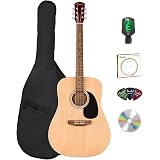
Fender Dreadnought Acoustic Guitar - Natural Bundle with Gig Bag, Tuner, Strings, Picks, and Austin Bazaar Instructional DVD
$179.99 (as of October 27, 2026 05:31 GMT +00:00 - More infoProduct prices and availability are accurate as of the date/time indicated and are subject to change. Any price and availability information displayed on [relevant Amazon Site(s), as applicable] at the time of purchase will apply to the purchase of this product.)
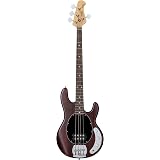
Ibanez GSR205BWNF GIO - Walnut Flat
$249.99 (as of October 27, 2026 05:31 GMT +00:00 - More infoProduct prices and availability are accurate as of the date/time indicated and are subject to change. Any price and availability information displayed on [relevant Amazon Site(s), as applicable] at the time of purchase will apply to the purchase of this product.)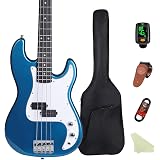
Bullstar Electric Bass Guitar 4 Strings Full-Size Standard Bass PB-Style Beginner Kit Black for Starter with Gig Bag Guitar Strap and Guitar Cable(PB-Blue)
$104.97 (as of October 27, 2026 05:31 GMT +00:00 - More infoProduct prices and availability are accurate as of the date/time indicated and are subject to change. Any price and availability information displayed on [relevant Amazon Site(s), as applicable] at the time of purchase will apply to the purchase of this product.)
Enya NOVA GO SP1 Carbon Fiber 35-Inch Smart Acoustic-Electric Travel Guitar | AcousticPlus Technology, Built-In Effects, USB Recording, Bluetooth Speaker, In-App Online Lessons, Beginner Kit with Gig Bag
$237.99 (as of October 27, 2026 05:31 GMT +00:00 - More infoProduct prices and availability are accurate as of the date/time indicated and are subject to change. Any price and availability information displayed on [relevant Amazon Site(s), as applicable] at the time of purchase will apply to the purchase of this product.)
VEVOR Acoustic Guitar, Classical Guitar Starter Kit for Beginners, with Nylon Strings, Basswood Guitar, for Kids Adults Girls Boys Students
$39.90 (as of October 27, 2026 05:31 GMT +00:00 - More infoProduct prices and availability are accurate as of the date/time indicated and are subject to change. Any price and availability information displayed on [relevant Amazon Site(s), as applicable] at the time of purchase will apply to the purchase of this product.)Why Guitar Tech Matters on Stage
At Stagecraft Soundworks, we care about how gear performs under real conditions: hot lights, loud monitors, rushed soundchecks, and unpredictable rooms. The right guitar tech doesn’t just improve tone. It reduces surprises. A cleaner signal, a stable neck, or a quieter pickup can make the difference between a smooth set and a night of troubleshooting.
Over the past few years we’ve seen steady improvements in pickup design, hardware reliability, and digital integration. None of it feels gimmicky. Each change solves a familiar problem for working musicians.
Pickup Technology: More Voices, Less Noise
Multi-voice pickups have become one of the most practical upgrades. Fishman Fluence pickups started the trend, but other makers now offer their own versions. These systems use printed coils instead of traditional wound wire, which keeps tone consistent over time. Heat, humidity, and travel don’t degrade them the way they do vintage-style coils.
For live players, the benefit is simple:
- Cleaner output
- Multiple usable tones without switching guitars
- Reduced noise on stages with bad wiring or heavy LED rigs
Recommendations
- PRS SE DGT – Versatile coil-splitting tones with stable output and smooth mids.
- Fishman Fluence Classic Humbucker Set – A reliable upgrade for players who want noiseless clarity.
Neck Stability and Hardware Improvements
Roasted maple necks used to be a boutique option. Now they’re standard across many midrange instruments because they stay stable in changing climates. We see fewer seasonal adjustments, which helps players who travel or rehearse in different environments.
Locking tuners and improved bridge materials solve the other half of the tuning issue. They reduce friction at contact points and allow the guitar to settle quickly after bends or tremolo use.
Recommendations
- Fender American Professional II Stratocaster – Smooth hardware, excellent tuning stability, and a neck that stays true.
- Music Man Axis Super Sport – Consistent setup feel and reliable locking tuners.
Digital Integration in Modern Guitars
More guitars now include USB-C ports for firmware updates or direct recording. A few even come with built-in DSP for EQ shaping or impulse-response modeling. Players using in-ear monitors appreciate these features because the direct signal is repeatable night after night.
While most players still rely on amps and pedals, onboard digital tools create a stable foundation. Even if your effects chain gets noisy, you can trust the guitar’s base tone.
Recommendations
- Line 6 Variax Shuriken – Designed for live flexibility: alternate tunings, acoustic models, and simple integration with modeling rigs.
- Fender Acoustasonic Series – Not traditional electrics, but excellent for players who switch between acoustic and electric textures on stage.
Wireless Systems: Finally Reliable
Wireless used to feel risky. Dropouts, compressed dynamics, and inconsistent latency made many players stick to cables. That’s no longer the case. Modern digital wireless units in both the 2.4 GHz and 5 GHz ranges provide clean tone and low latency.
For performers who move a lot, wireless changes stage presence. You stop thinking about stepping on your cable and start focusing on playing.
Recommendations
- Shure GLX-D+ – Stable connection with automatic frequency management.
- Line 6 Relay G90 – Clear, natural-sounding wireless that works well with pedalboard setups.
Noise Reduction and Shielding: Small Upgrade, Big Payoff
Many guitars now include better shielding, improved grounding, and noise-canceling pickup designs. These upgrades matter more than players expect, especially in older clubs with questionable electrical grounding.
Less noise means cleaner mixes and fewer headaches for front-of-house engineers. It’s the kind of improvement nobody notices until it’s gone.
Recommendations
- Fender Ultra Luxe Stratocaster – Noiseless pickups with surprising clarity and attack.
- Yamaha Pacifica 612VIIX – A well-shielded guitar with Seymour Duncan pickups that stay quiet on bright stages.
Models That Stand Out in 2025
We tested dozens of guitars across rehearsals, small venues, and festival stages. A few models consistently stood out:
PRS SE DGT
Warm, dynamic tone with coil-split clarity that doesn’t drop in volume. Reliable hardware and a neck that requires minimal adjustment.
Fender Ultra Luxe Stratocaster
Bright, articulate tone without hum. The compound-radius neck is comfortable for players who switch between rhythm and lead work.
Line 6 Variax Shuriken
A problem-solver guitar. Not for everyone, but if you play multiple tunings or need acoustic textures during an electric set, it simplifies your entire rig.
How We Recommend Choosing a Modern Guitar
Here’s the checklist we use when evaluating guitars for live use:
1. Stability
Does the guitar stay in tune when the stage heats up?
Does the neck shift with seasonal changes?
2. Noise Level
Can it survive bright LED lighting without hum?
Does it behave well with high-gain pedals?
3. Tone Versatility
Can you cover your full set without switching instruments?
4. Repair and Maintenance
Are parts easy to replace?
Is the electronics cavity clean and serviceable?
5. Weight and Comfort
A heavy guitar is fine for short sets. Not for long ones.
When a guitar checks these boxes, it usually performs well in real-world conditions.
The Bottom Line
Modern guitar technology isn’t about reinventing the instrument. It’s about refining what works: cleaner electronics, more stable necks, smarter pickups, and reliable wireless options. These updates help players focus on the music instead of the gear.
At Stagecraft Soundworks, we look for products that solve problems. Today’s best guitars do exactly that—quietly and reliably.
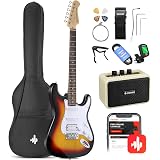
Donner DST-100S 39 Inch Full Size Electric Guitar Kit | Solid Body Sunburst, Beginner Starter, with Amplifier, Bag, Capo, Strap, String, Tuner, Cable, Picks
$169.99 (as of October 27, 2026 05:31 GMT +00:00 - More infoProduct prices and availability are accurate as of the date/time indicated and are subject to change. Any price and availability information displayed on [relevant Amazon Site(s), as applicable] at the time of purchase will apply to the purchase of this product.)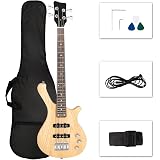
Ktaxon 36 Inch Bass Guitar 4 String Electric Bass Guitar (Compact-Natural) | Split Single Coil Pickup, Excellent Tone, Rosewood Fretboard, Mahogany Body | Full Equipment for Kids, Boys and Girls
$89.99 (as of October 27, 2026 05:31 GMT +00:00 - More infoProduct prices and availability are accurate as of the date/time indicated and are subject to change. Any price and availability information displayed on [relevant Amazon Site(s), as applicable] at the time of purchase will apply to the purchase of this product.)
Ktaxon 4 String Electric Bass Guitar, Full Size Bass Guitar Kit(Lake Blue) | Standard Right-Handed Bass Guitar Beginner Kit with Cable and Wrench Tool for Beginners
$59.99 (as of October 27, 2026 05:31 GMT +00:00 - More infoProduct prices and availability are accurate as of the date/time indicated and are subject to change. Any price and availability information displayed on [relevant Amazon Site(s), as applicable] at the time of purchase will apply to the purchase of this product.)
Yamaha TRBX174 Old Violin Sunburst Agathis Body, 4-String Electric Bass Guitar
$299.99 (as of October 27, 2026 05:31 GMT +00:00 - More infoProduct prices and availability are accurate as of the date/time indicated and are subject to change. Any price and availability information displayed on [relevant Amazon Site(s), as applicable] at the time of purchase will apply to the purchase of this product.)
Squier Mini Precision Bass, Black, Laurel Fingerboard | 3/4 size beginner bass guitar, ideal for kids and small players, laurel fingerboard, lightweight short scale neck
$209.99 (as of October 27, 2026 05:31 GMT +00:00 - More infoProduct prices and availability are accurate as of the date/time indicated and are subject to change. Any price and availability information displayed on [relevant Amazon Site(s), as applicable] at the time of purchase will apply to the purchase of this product.)
Donner Electric Bass 4 Strings Full-Size Guitar Kit PB-Style (Black) | Standard Bass Beginner Kit for Starter with Free Online Lesson Gig Bag Guitar Strap and Guitar Cable, DPB-510
$159.99 (as of October 27, 2026 05:31 GMT +00:00 - More infoProduct prices and availability are accurate as of the date/time indicated and are subject to change. Any price and availability information displayed on [relevant Amazon Site(s), as applicable] at the time of purchase will apply to the purchase of this product.)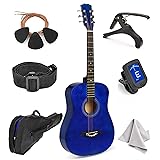
Acoustic Guitar For Kids By MasterPlay- 30” Beginner Guitar For Learners- Accoustic String Starter Kit: Guitar Bag, Tuner, Strap, Extra Strings, Picks, Wash Cloth, Capo (Blua)
$53.99 (as of October 27, 2026 05:31 GMT +00:00 - More infoProduct prices and availability are accurate as of the date/time indicated and are subject to change. Any price and availability information displayed on [relevant Amazon Site(s), as applicable] at the time of purchase will apply to the purchase of this product.)
Ashthorpe 38-inch Beginner Acoustic Guitar (Black), Starter Kit with Gig Bag, Extra Strings, Strap, Picks, and Lessons
$62.99 (as of October 27, 2026 05:31 GMT +00:00 - More infoProduct prices and availability are accurate as of the date/time indicated and are subject to change. Any price and availability information displayed on [relevant Amazon Site(s), as applicable] at the time of purchase will apply to the purchase of this product.)
Amazon Echo Hub (newest model), 8", Redesigned with customizable control and Alexa+, Compatible with thousands of devices
$179.99 (as of October 27, 2026 16:57 GMT +00:00 - More infoProduct prices and availability are accurate as of the date/time indicated and are subject to change. Any price and availability information displayed on [relevant Amazon Site(s), as applicable] at the time of purchase will apply to the purchase of this product.)
vibeadio Upgraded 110W Sound Bar for TV with 5.9" Powerful Subwoofer | 2.1 CH Surround Sound System, Bluetooth 5.4, ARC/Optical/AUX, Deep Bass Home Theater Audio for PC, Gaming, Projectors & Gifts
$59.99 (as of October 27, 2026 16:57 GMT +00:00 - More infoProduct prices and availability are accurate as of the date/time indicated and are subject to change. Any price and availability information displayed on [relevant Amazon Site(s), as applicable] at the time of purchase will apply to the purchase of this product.)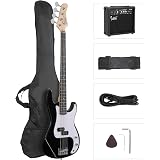
GLARRY Full Size Electric Bass Guitar Beginner Kit 4 String Exquisite Basswood Bass with 20W AMP, Cable, Strap, Bag and Accessories (Black, 39"Right Handed)
$124.99 (as of October 27, 2026 16:57 GMT +00:00 - More infoProduct prices and availability are accurate as of the date/time indicated and are subject to change. Any price and availability information displayed on [relevant Amazon Site(s), as applicable] at the time of purchase will apply to the purchase of this product.)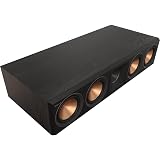
klipsch Reference Premiere RP-504C II Ebony Center Channel Speaker
$489.99 (as of October 27, 2026 16:57 GMT +00:00 - More infoProduct prices and availability are accurate as of the date/time indicated and are subject to change. Any price and availability information displayed on [relevant Amazon Site(s), as applicable] at the time of purchase will apply to the purchase of this product.)
Ktaxon 4 String Electric Bass Guitar, Full Size Bass Guitar Kit(Lake Blue) | Standard Right-Handed Bass Guitar Beginner Kit with Cable and Wrench Tool for Beginners
$59.99 (as of October 27, 2026 16:57 GMT +00:00 - More infoProduct prices and availability are accurate as of the date/time indicated and are subject to change. Any price and availability information displayed on [relevant Amazon Site(s), as applicable] at the time of purchase will apply to the purchase of this product.)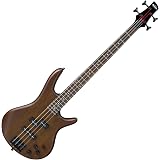
Ibanez GSR200BWNF GIO - Walnut Flat | Phat II EQ with Nyotah body and B10 bridge for intonation, tuning and resonance
$249.99 (as of October 27, 2026 16:57 GMT +00:00 - More infoProduct prices and availability are accurate as of the date/time indicated and are subject to change. Any price and availability information displayed on [relevant Amazon Site(s), as applicable] at the time of purchase will apply to the purchase of this product.)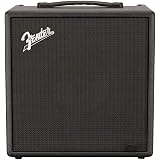
Fender Rumble LT25 Bass Amplifier, Black, with 2-Year Warranty | Practice bass amp, 25 watts, built-in amp models and effects, beginner-friendly, home practice, 2-year warranty
$249.99 (as of October 27, 2026 16:57 GMT +00:00 - More infoProduct prices and availability are accurate as of the date/time indicated and are subject to change. Any price and availability information displayed on [relevant Amazon Site(s), as applicable] at the time of purchase will apply to the purchase of this product.)