By create_admin

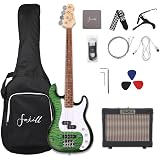
Fender Squier Debut Stratocaster Beginner Electric Guitar Kit, Black | Starter pack with Frontman 10G amp, padded gig bag, guitar strap, free lessons, 2-year warranty
$279.99 (as of October 27, 2026 05:31 GMT +00:00 - More infoProduct prices and availability are accurate as of the date/time indicated and are subject to change. Any price and availability information displayed on [relevant Amazon Site(s), as applicable] at the time of purchase will apply to the purchase of this product.)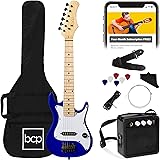
Best Choice Products 30in Kids Electric Guitar Beginner Starter Kit w/ 5W Amplifier, Strap, Gig Bag, Strings, Picks - Metallic Blue
$89.98 (as of October 27, 2026 05:31 GMT +00:00 - More infoProduct prices and availability are accurate as of the date/time indicated and are subject to change. Any price and availability information displayed on [relevant Amazon Site(s), as applicable] at the time of purchase will apply to the purchase of this product.)
Purple Rain
$22.99 (as of October 27, 2026 05:31 GMT +00:00 - More infoProduct prices and availability are accurate as of the date/time indicated and are subject to change. Any price and availability information displayed on [relevant Amazon Site(s), as applicable] at the time of purchase will apply to the purchase of this product.)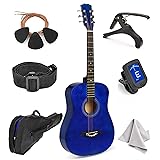
Acoustic Guitar For Kids By MasterPlay- 30” Beginner Guitar For Learners- Accoustic String Starter Kit: Guitar Bag, Tuner, Strap, Extra Strings, Picks, Wash Cloth, Capo (Blua)
$53.99 (as of October 27, 2026 05:31 GMT +00:00 - More infoProduct prices and availability are accurate as of the date/time indicated and are subject to change. Any price and availability information displayed on [relevant Amazon Site(s), as applicable] at the time of purchase will apply to the purchase of this product.)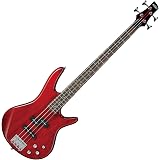
Ibanez Gio GSR200TR Bass Guitar - Transparent Red
(as of October 27, 2026 05:31 GMT +00:00 - More infoProduct prices and availability are accurate as of the date/time indicated and are subject to change. Any price and availability information displayed on [relevant Amazon Site(s), as applicable] at the time of purchase will apply to the purchase of this product.)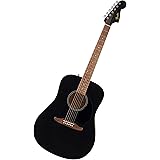
Fender California Debut Redondo Series Beginner Acoustic Guitar, Black | Acoustic guitar for beginners, slim neck, starter-friendly, 2-year warranty
$139.99 (as of October 27, 2026 05:31 GMT +00:00 - More infoProduct prices and availability are accurate as of the date/time indicated and are subject to change. Any price and availability information displayed on [relevant Amazon Site(s), as applicable] at the time of purchase will apply to the purchase of this product.)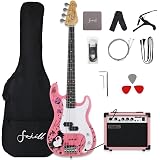
Fojill Full Size 4 Four String Electric Bass Guitar 20W Amplifier Amp Right Hand Beginner Starter Kit Set Combo Bundle Accessory Gig Bag,Strap,Picks,Capo,Noiselss Cable,Strings (Pink Rock)
$179.99 (as of October 27, 2026 05:31 GMT +00:00 - More infoProduct prices and availability are accurate as of the date/time indicated and are subject to change. Any price and availability information displayed on [relevant Amazon Site(s), as applicable] at the time of purchase will apply to the purchase of this product.)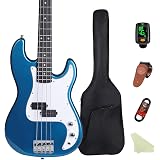
Bullstar Electric Bass Guitar 4 Strings Full-Size Standard Bass PB-Style Beginner Kit Black for Starter with Gig Bag Guitar Strap and Guitar Cable(PB-Blue)
$104.97 (as of October 27, 2026 05:31 GMT +00:00 - More infoProduct prices and availability are accurate as of the date/time indicated and are subject to change. Any price and availability information displayed on [relevant Amazon Site(s), as applicable] at the time of purchase will apply to the purchase of this product.)Why Modern Bass Tech Matters on Stage
Bass is the foundation of a live mix. When the low end is muddy or inconsistent, the whole band feels it. At Stagecraft Soundworks, we see working bassists struggle with the same problems: boominess in small rooms, noise under LED lights, weak low-B strings, and heavy instruments that wear you out during long sets.
Recent bass innovations aim to solve these issues. Better electronics, smarter pickup designs, and improved hardware give today’s players more control without adding complexity.
Active EQ and Cleaner Preamps
The biggest leap in modern bass tech is the quality of onboard preamps. Early active systems often sounded harsh or introduced hiss, but newer designs offer tight control with very little noise. A sweepable midrange has become standard in many mid-priced instruments, and it’s one of the most useful tools on stage.
If you walk into a boomy room, a quick mid sweep can clear up your tone before you even touch the amp. Touring bassists rely on this because it’s fast, predictable, and stable.
Recommendations
- Sire M7 5-String – Wide-range EQ, clean preamp, great value for players who need flexibility.
- Yamaha BB735A – Active/passive switch lets you adapt easily to different rooms and styles.
Improved Pickups and Reduced Noise
Low-end hum used to be unavoidable on many basses, especially those using single coils. Modern hum-canceling designs solve that problem without dulling the tone. Companies like Nordstrand, Aguilar, and EMG now offer pickup sets that preserve attack while cutting noise dramatically.
If you run effects like overdrive, octave, or chorus, noise control matters even more. The quieter the pickup, the cleaner the pedalboard behaves.
Recommendations
- Fender Player Plus Jazz Bass – Noiseless pickups with enough brightness to cut through a busy mix.
- Aguilar AG 4J-HC Pickups – A drop-in upgrade that keeps your Jazz-style tone intact without the hum.
Neck Stability: A Quiet Revolution
Bass necks face more stress than guitar necks because of string tension. Seasonal movement can cause buzz, dead spots, or inconsistent action. In the last decade, manufacturers have fought this with roasted woods, carbon reinforcements, and multi-piece neck designs.
Players who rehearse in cold rooms and perform on hot stages notice how much more stable modern necks feel. Less time adjusting — more time playing.
Recommendations
- Ibanez SR Premium Series – Lightweight, stable, and comfortable neck profiles.
- Dingwall Combustion – Multi-scale design that naturally evens out string tension.
Scale Length and Low-B Performance
Five-string basses are common now, but not all low-B strings sound equal. Many 34-inch models feel loose or unfocused. More companies have perfected 35-inch or multi-scale designs that tighten the low-B without making the instrument uncomfortable.
The difference is obvious the first time you hit a low D and the note doesn’t flap or disappear in the mix.
Recommendations
- Dingwall NG3 – One of the cleanest, tightest low-B responses in the industry.
- Lakland Skyline 55-02 – 35-inch scale with strong clarity and punch.
Lightweight Bodies Without Sacrificing Tone
Bass weight has dropped a lot thanks to body chambering and lighter woods. A comfortable instrument changes how you play, especially during long sets. Fatigue affects timing, feel, and accuracy — so lighter is more than convenience.
Recommendations
- G&L Kiloton Bass – Powerful pickup in a surprisingly lightweight body.
- Schecter Stiletto Studio – Balanced, comfortable, and built for long gigs.
Wireless Systems for Bass: Finally Reliable
Bass used to be the hardest instrument to run wireless because low frequencies exposed compression artifacts. Modern digital systems handle this much better. Latency has dropped low enough that even slap players don’t feel lag.
Recommendations
- Line 6 Relay G50 – Clean low-end response without noticeable latency.
- Shure GLX-D+ – Strong connection quality and rechargeable packs.
Pedalboard Upgrades Designed for Bass
Bass pedals used to feel like afterthoughts. Today many options are tailored specifically to low frequencies.
Useful modern staples include:
- Blend-capable compressors for punch without squash
- Drives voiced for bass so your low end doesn’t disappear
- Octave pedals with better tracking even on low strings
Recommendations
- MXR Bass Compressor – Transparent control with excellent feel.
- Darkglass B3K Drive – A modern classic for players who want grit with definition.
- Electro-Harmonix Nano POG – Smooth tracking and strong upper-octave clarity.
What Makes a Bass “Stage Ready”?
At Stagecraft Soundworks, we judge a bass by how it holds up in real venues:
- Does it stay quiet under LED light rigs?
- Does it handle small-room boominess?
- Does the low-B speak clearly through a PA?
- Can you adjust mids fast without digging into menus or multiple pedals?
- Is it light enough for long sets?
When an instrument meets these criteria, it’s reliable where it matters most.
The Bottom Line
Modern bass technology isn’t about complexity. It’s about giving players clearer tone and more control with fewer headaches. Stable necks, cleaner electronics, and better pickup designs make today’s instruments far more predictable on stage.
And for bassists, predictability is power.
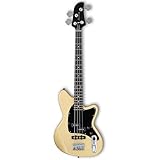
Ibanez TMB30 Talman Standard - Ivory
$249.99 (as of October 27, 2026 05:31 GMT +00:00 - More infoProduct prices and availability are accurate as of the date/time indicated and are subject to change. Any price and availability information displayed on [relevant Amazon Site(s), as applicable] at the time of purchase will apply to the purchase of this product.)
Fender Squier Stratocaster Electric Guitar - Daphne Blue
$135.99 (as of October 27, 2026 05:31 GMT +00:00 - More infoProduct prices and availability are accurate as of the date/time indicated and are subject to change. Any price and availability information displayed on [relevant Amazon Site(s), as applicable] at the time of purchase will apply to the purchase of this product.)
Yamaha TRBX174 Old Violin Sunburst Agathis Body, 4-String Electric Bass Guitar
$299.99 (as of October 27, 2026 05:31 GMT +00:00 - More infoProduct prices and availability are accurate as of the date/time indicated and are subject to change. Any price and availability information displayed on [relevant Amazon Site(s), as applicable] at the time of purchase will apply to the purchase of this product.)
Joymusic 38 inch sunburst beginner acoustic guitar kit,bundle with a strap with picks holder,digital tuner, set strings, capo,cleaning cloth,6 picks,gig bag.(JG-38C,3TS)
$53.02 (as of October 27, 2026 05:31 GMT +00:00 - More infoProduct prices and availability are accurate as of the date/time indicated and are subject to change. Any price and availability information displayed on [relevant Amazon Site(s), as applicable] at the time of purchase will apply to the purchase of this product.)
Bullstar Electric Bass Guitar 4 Strings Full-Size Standard Bass PB-Style Beginner Kit Black for Starter with Gig Bag Guitar Strap and Guitar Cable(PB-Blue)
$104.97 (as of October 27, 2026 05:31 GMT +00:00 - More infoProduct prices and availability are accurate as of the date/time indicated and are subject to change. Any price and availability information displayed on [relevant Amazon Site(s), as applicable] at the time of purchase will apply to the purchase of this product.)
Fojill Full Size 4 Four String Electric Bass Guitar 20W Amplifier Amp Right Hand Beginner Starter Kit Set Combo Bundle Accessory Gig Bag,Strap,Picks,Capo,Noiselss Cable,Strings (Pink Rock)
$179.99 (as of October 27, 2026 05:31 GMT +00:00 - More infoProduct prices and availability are accurate as of the date/time indicated and are subject to change. Any price and availability information displayed on [relevant Amazon Site(s), as applicable] at the time of purchase will apply to the purchase of this product.)
Ibanez Gio GSR200TR Bass Guitar - Transparent Red
(as of October 27, 2026 05:31 GMT +00:00 - More infoProduct prices and availability are accurate as of the date/time indicated and are subject to change. Any price and availability information displayed on [relevant Amazon Site(s), as applicable] at the time of purchase will apply to the purchase of this product.)
Best Choice Products 30in Kids Acoustic Guitar, All-in-One Beginner Starter Kit w/Strap, Case, Extra Strings, Rosette Inlay - Pink
$46.98 (as of October 27, 2026 05:31 GMT +00:00 - More infoProduct prices and availability are accurate as of the date/time indicated and are subject to change. Any price and availability information displayed on [relevant Amazon Site(s), as applicable] at the time of purchase will apply to the purchase of this product.)
Amazon Echo Show 11 (newest model), Vibrant Full-HD 11" display with more viewing area and spatial audio, Designed for Alexa+, Graphite
$249.99 (as of October 27, 2026 16:57 GMT +00:00 - More infoProduct prices and availability are accurate as of the date/time indicated and are subject to change. Any price and availability information displayed on [relevant Amazon Site(s), as applicable] at the time of purchase will apply to the purchase of this product.)
Ktaxon Electric Bass Guitar 4 String Bass Guitar Kit-Red | Full Equipment with 20 Watt Amplifier | PJ Type Pickup, Naturally Air-dried Maple Neck, Rosewood Fretboard & Basswood Body
$109.99 (as of October 27, 2026 16:57 GMT +00:00 - More infoProduct prices and availability are accurate as of the date/time indicated and are subject to change. Any price and availability information displayed on [relevant Amazon Site(s), as applicable] at the time of purchase will apply to the purchase of this product.)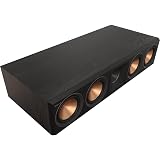
klipsch Reference Premiere RP-504C II Ebony Center Channel Speaker
$489.99 (as of October 27, 2026 16:57 GMT +00:00 - More infoProduct prices and availability are accurate as of the date/time indicated and are subject to change. Any price and availability information displayed on [relevant Amazon Site(s), as applicable] at the time of purchase will apply to the purchase of this product.)
Amazon Echo Hub (newest model), 8", Redesigned with customizable control and Alexa+, Compatible with thousands of devices
$179.99 (as of October 27, 2026 16:57 GMT +00:00 - More infoProduct prices and availability are accurate as of the date/time indicated and are subject to change. Any price and availability information displayed on [relevant Amazon Site(s), as applicable] at the time of purchase will apply to the purchase of this product.)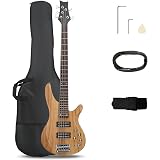
Ktaxon 5 String Electric Bass Guitar | Full Size 5 String Bass Guitar Kit | Standard Right Handed Bass Guitar Kit with Portable Gig Bag, Adjustable Strap, Cable, Pick & Wrench(Upgraded Natural)
$119.99 (as of October 27, 2026 16:57 GMT +00:00 - More infoProduct prices and availability are accurate as of the date/time indicated and are subject to change. Any price and availability information displayed on [relevant Amazon Site(s), as applicable] at the time of purchase will apply to the purchase of this product.)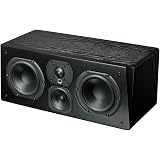
SVS Prime Center Speaker – Premium Black Ash
$349.00 (as of October 27, 2026 16:57 GMT +00:00 - More infoProduct prices and availability are accurate as of the date/time indicated and are subject to change. Any price and availability information displayed on [relevant Amazon Site(s), as applicable] at the time of purchase will apply to the purchase of this product.)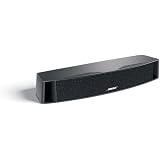
Factory-renewed Bose VCS-10 Center Channel Speaker - Black
(as of October 27, 2026 16:57 GMT +00:00 - More infoProduct prices and availability are accurate as of the date/time indicated and are subject to change. Any price and availability information displayed on [relevant Amazon Site(s), as applicable] at the time of purchase will apply to the purchase of this product.)